
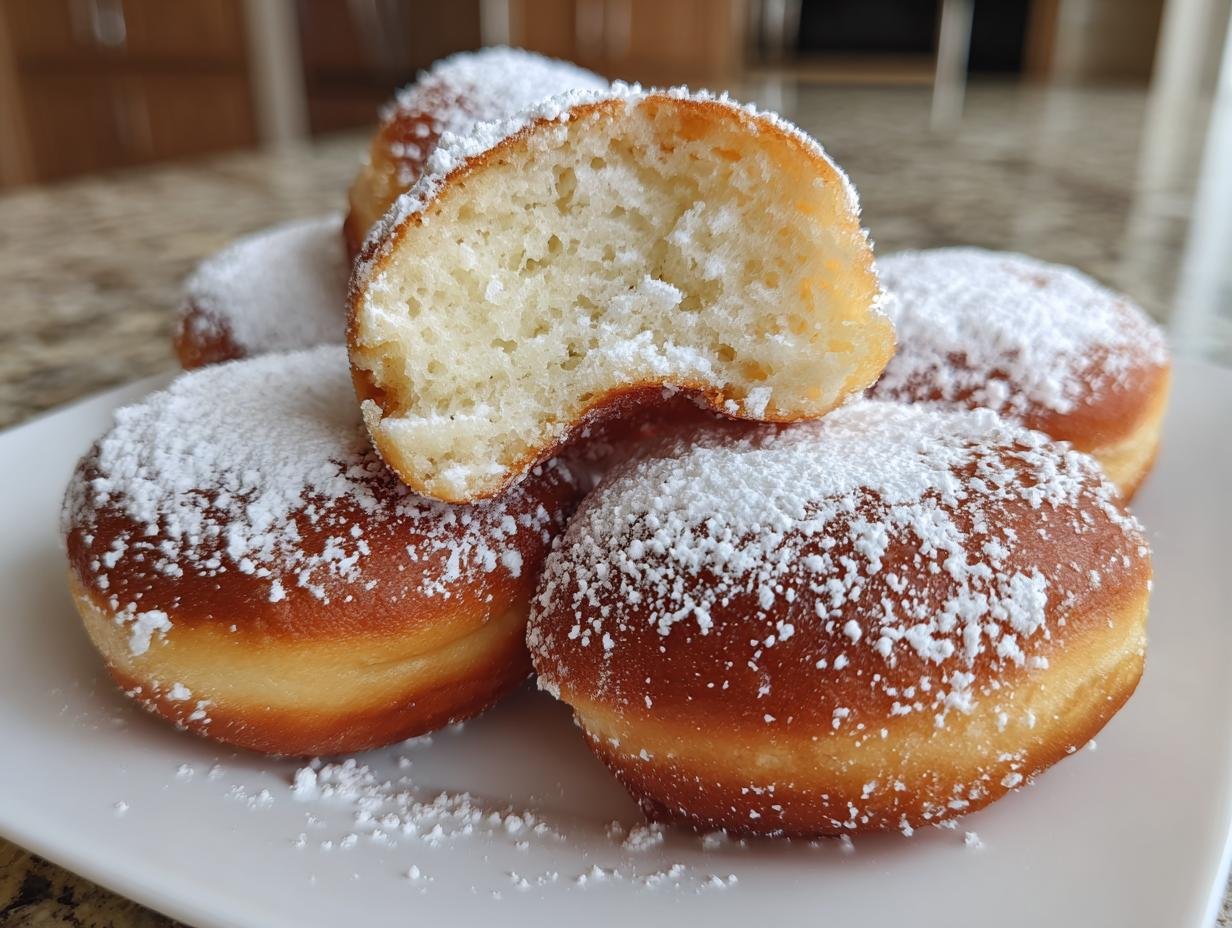
Oh, there’s just something magical about waking up to the smell of freshly fried dough, isn’t there? And when that dough is these light, airy, vanilla fused French pastries, it’s a breakfast dream come true! Seriously, making these Vanilla French Beignets For Breakfast feels like a little culinary vacation. I remember the first time I tried making a *proper* French beignet at home it felt so fancy, and let me tell you, the payoff is HUGE. Forget those tiny, sad little doughnuts; these are cloud like pillows of pure joy, delicately flavored with vanilla. They’re not just breakfast; they’re an experience, and I’m so excited to share my foolproof way to make them with you!
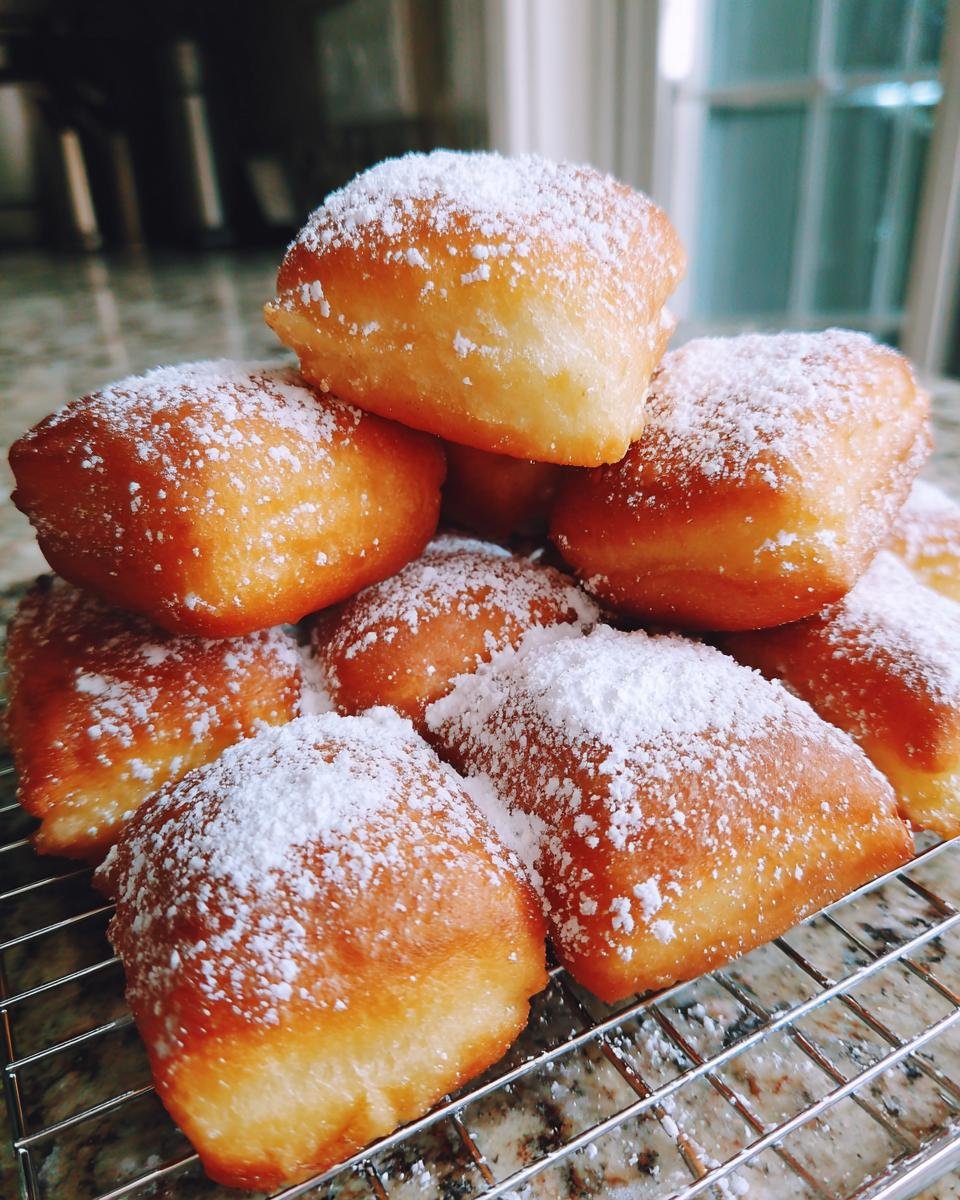
Why You’ll Love These Vanilla French Beignets For Breakfast
So, why exactly should you add this Vanilla French Beignets For Breakfast recipe to your go-to list? Honestly, it’s a no-brainer!
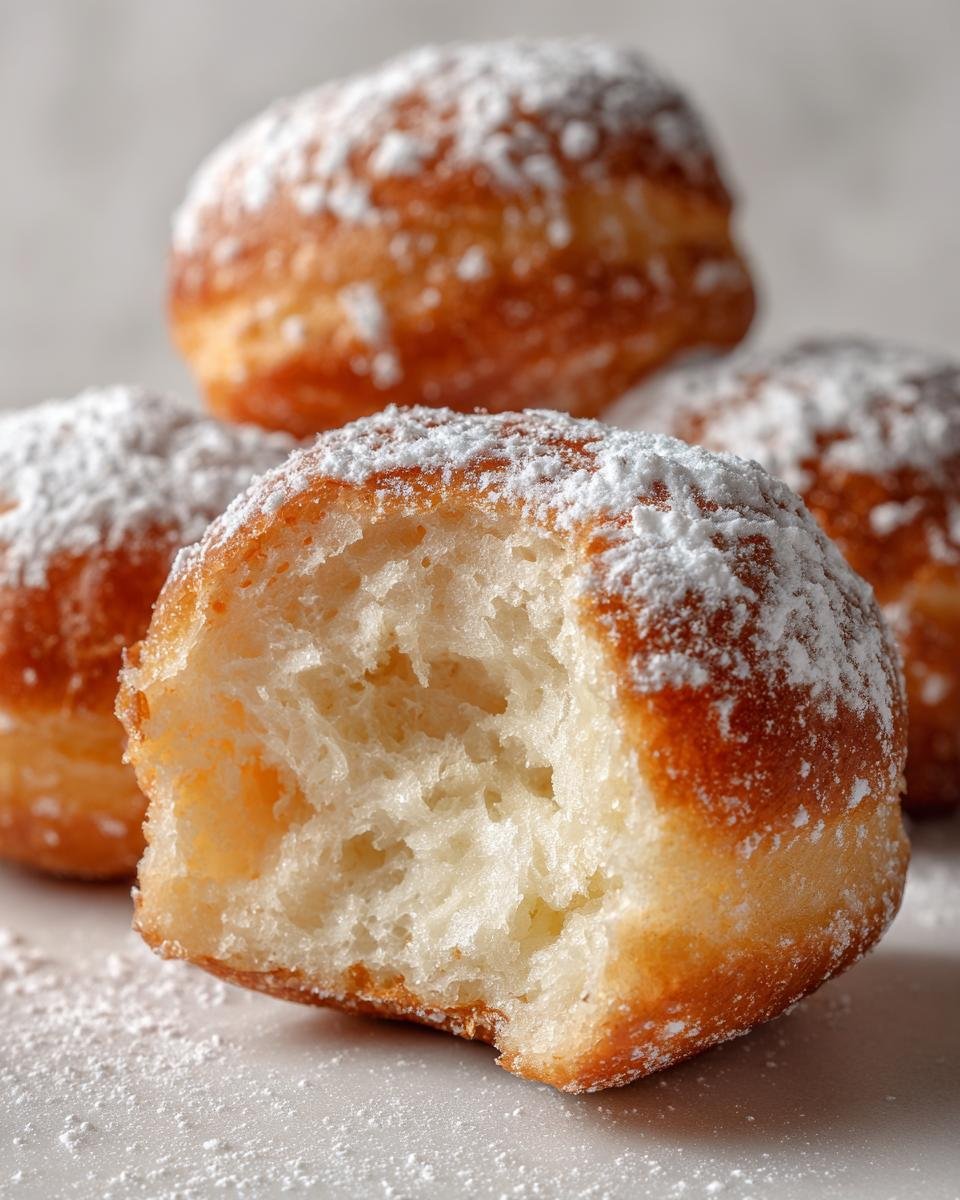
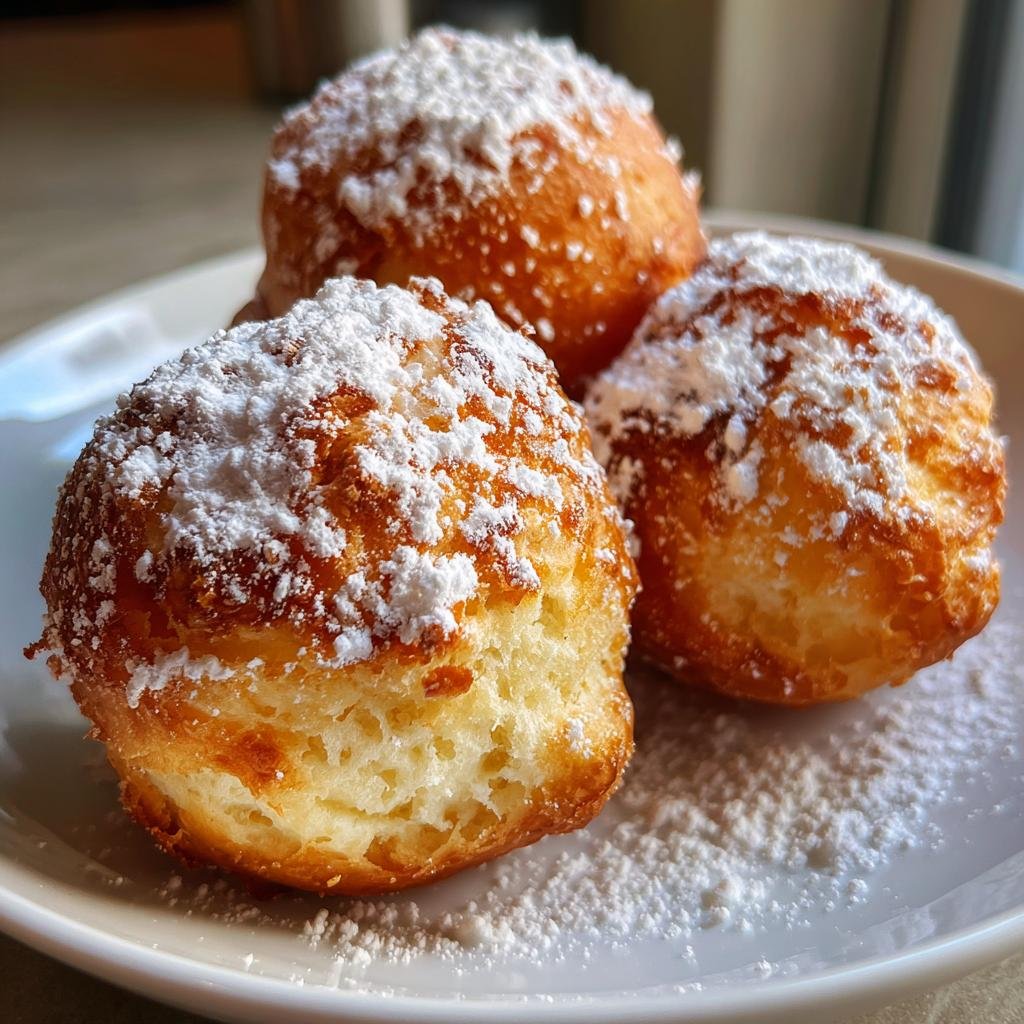
- That Irresistible Texture: Imagine biting into something that’s perfectly crisp on the outside and impossibly light and fluffy on the inside. That’s what these beignets are all about – pure, airy perfection!
- Hint of Vanilla Heaven: We’re not just making plain fried dough here. That touch of vanilla extract makes all the difference, giving them a warm, comforting aroma and flavor that’s just divine.
- Your New Special Occasion Treat: These aren’t your everyday donuts, but they’re surprisingly achievable! They instantly elevate any meal, making your breakfast feel like a fancy brunch outing or a sweet little celebration.
- Simpler Than You Think: Don’t let the “French pastry” title scare you! I’ve broken it down step-by-step, so even if you’re new to yeasted doughs, you’ll get fantastic results. Trust me!
Essential Ingredients for Perfect Vanilla French Beignets For Breakfast
Alright, let’s talk about what you’ll need to whip up these dreamy Vanilla French Beignets For Breakfast. Using good quality ingredients really makes a difference here, so grab the best you can!
For the Dough
This is where the magic starts. We need a few pantry staples to get this lovely yeasted dough going:
- Active dry yeast: Just 1 packet to get everything rising beautifully.
- Warm water: About 1/4 cup, and make sure it’s between 105-115F – too hot and you’ll kill the yeast, too cool and it won’t get happy!
- Milk: 1/2 cup, also warmed. This adds a little richness.
- Granulated sugar: 1/4 cup to feed that yeast and add a touch of sweetness.
- Salt: Just 1 teaspoon to balance everything out.
- Large eggs: You’ll need 2, and make sure they’re lightly beaten before you add them.
- Vanilla extract: 1 teaspoon of this, our star flavor!
- All-purpose flour: We’ll need about 4 cups, plus a little extra for dusting our surface later.
- Unsalted butter: 1/2 cup, softened. This is key for a tender dough!
For Frying and Topping
Once the dough is ready, we need these for the final touch:
- Vegetable oil: About 4 cups for frying. You want a neutral oil that can handle the heat.
- Powdered sugar: A good 1/2 cup or more for that classic dusting. Don’t skimp!
Step-by-Step Guide to Making Vanilla French Beignets For Breakfast
Okay, deep breaths! Making these Vanilla French Beignets For Breakfast is totally doable, and I’m going to walk you through every single step. It’s less about complicated techniques and more about just following along. My personal tip is to put on some fun music and really enjoy the process – it makes such a difference! You can read more about my own kitchen adventures here.
Preparing the Yeast Mixture
First things first, we need to wake up our yeast. Grab a small bowl, pour in that 1/4 cup of warm water (remember, 105-115F is the sweet spot!), sprinkle in the yeast, and give it a little stir. Let it sit for about 5 to 10 minutes. You’ll know it’s ready when it gets all foamy and bubbly – that’s the yeast waking up and getting ready to work its magic!
Creating the Beignet Dough Base
Now, let’s get the main dough going. In your big mixing bowl, whisk together the warm milk, sugar, and salt. Once that’s nicely combined, pour in your foamy yeast mixture, the two beaten eggs, and that teaspoon of vanilla extract. Give it another good stir to make sure everything is happy together before we start adding the flour.
Kneading and Incorporating Butter
We’re going to add the flour gradually, mixing until a shaggy dough forms – it’ll look a little messy, and that’s okay! Turn this dough out onto a surface that you’ve lightly dusted with flour. Now comes the kneading part. You’ll want to knead this for a good 8 to 10 minutes until it feels smooth and elastic. This is super important for that light texture! As you knead, start adding in that softened butter, a little bit at a time. Keep working it in until it’s completely absorbed into the dough. It might feel a little sticky at first, but gentle kneading will get it all incorporated beautifully.
First Rise: Letting the Dough Rest
Once your dough is wonderfully smooth and the butter is all worked in, place it into a bowl that you’ve lightly oiled. Cover the bowl with plastic wrap – a bit of cling film is perfect for this. Find a nice, warm spot in your kitchen for it to hang out for about 30 minutes. You’ll know it’s ready when it’s puffed up and doubled in size. Patience here really pays off for those fluffy beignets!
Shaping and Cutting the Beignets
After the dough has had its nice, long rest, give it a gentle punch down to release some of that air. Then, turn it out onto your lightly floured surface again. Roll it out evenly until it’s about half an inch thick. Use a knife or a pizza cutter to slice the dough into little squares or rectangles – whatever shape you fancy for your beignets!
Frying Your Vanilla French Beignets
Time for the fun part – frying! Heat up about 4 cups of vegetable oil in your deep fryer or a heavy-bottomed pot until it reaches 350F (175C). This temperature is key to getting them golden brown without being greasy. Carefully drop your beignet pieces into the hot oil, but don’t crowd the pot! Fry them in batches for about 2 to 3 minutes on each side, until they’re that gorgeous golden brown color. Keep an eye on them; they cook fast!
Draining and Finishing Touches
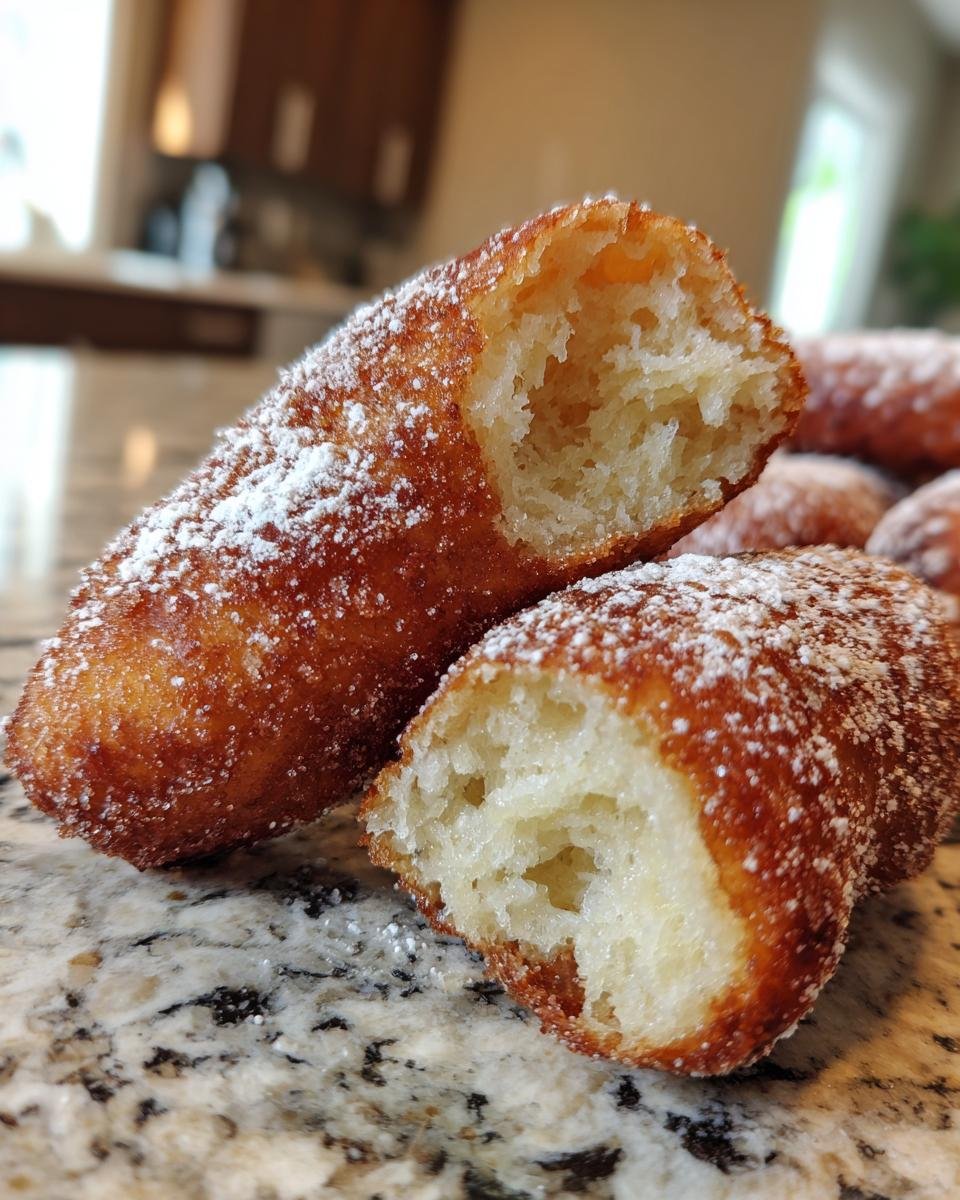
As soon as they’re done frying, scoop them out with a slotted spoon. Place them on a wire rack that’s sitting over a baking sheet to drain off any excess oil. This step helps keep them nice and crisp. Once they’re drained a bit and still warm, dust them generously with powdered sugar. Don’t be shy with the sugar – it’s the perfect finish!
Tips for Achieving Perfect Vanilla French Beignets
Okay, so you’ve been through the steps, and that dough is looking amazing! Now, let me give you a few of my best little secrets to make sure those Vanilla French Beignets For Breakfast turn out absolutely spectacular every single time. It’s all about paying attention to a few key details!
Keep That Oil Temperature Just Right
This is probably the most important tip! You really want your oil to be at a steady 350°F (175°C). If it’s too hot, the outside will burn before the inside cooks, leaving you with a doughy center. Too cool, and they’ll soak up way too much oil and become greasy. My trick? Use a thermometer designed for frying, and keep a close eye on it. I’ve learned that by keeping a small bowl of extra oil nearby, I can quickly bump up the heat if needed, or even toss in a tiny scrap of dough to test the temp before dropping in the real stars!
Handle Your Dough with Tenderness
When you’re rolling out and cutting your dough, be gentle! You want to preserve all those lovely air pockets you worked so hard to create during kneading and rising. Overworking the dough at this stage can make your beignets dense instead of airy. Think of it as a delicate dance – a light touch is your best friend here. And if your dough feels a little too soft to handle easily, pop it in the fridge for 10-15 minutes. It’ll firm right up!
Don’t Overcrowd the Pot
Seriously, this is a biggie when you’re frying. It’s SO tempting to put a bunch of beignets in at once to save time, but resist the urge! Frying in small batches allows the oil temperature to stay consistent. When you overcrowd the pot, the oil temperature plummets, leading to those greasy, undercooked beignets we talked about. Let each batch have its own space to bubble and brown beautifully.
The Perfect Powdered Sugar Dusting
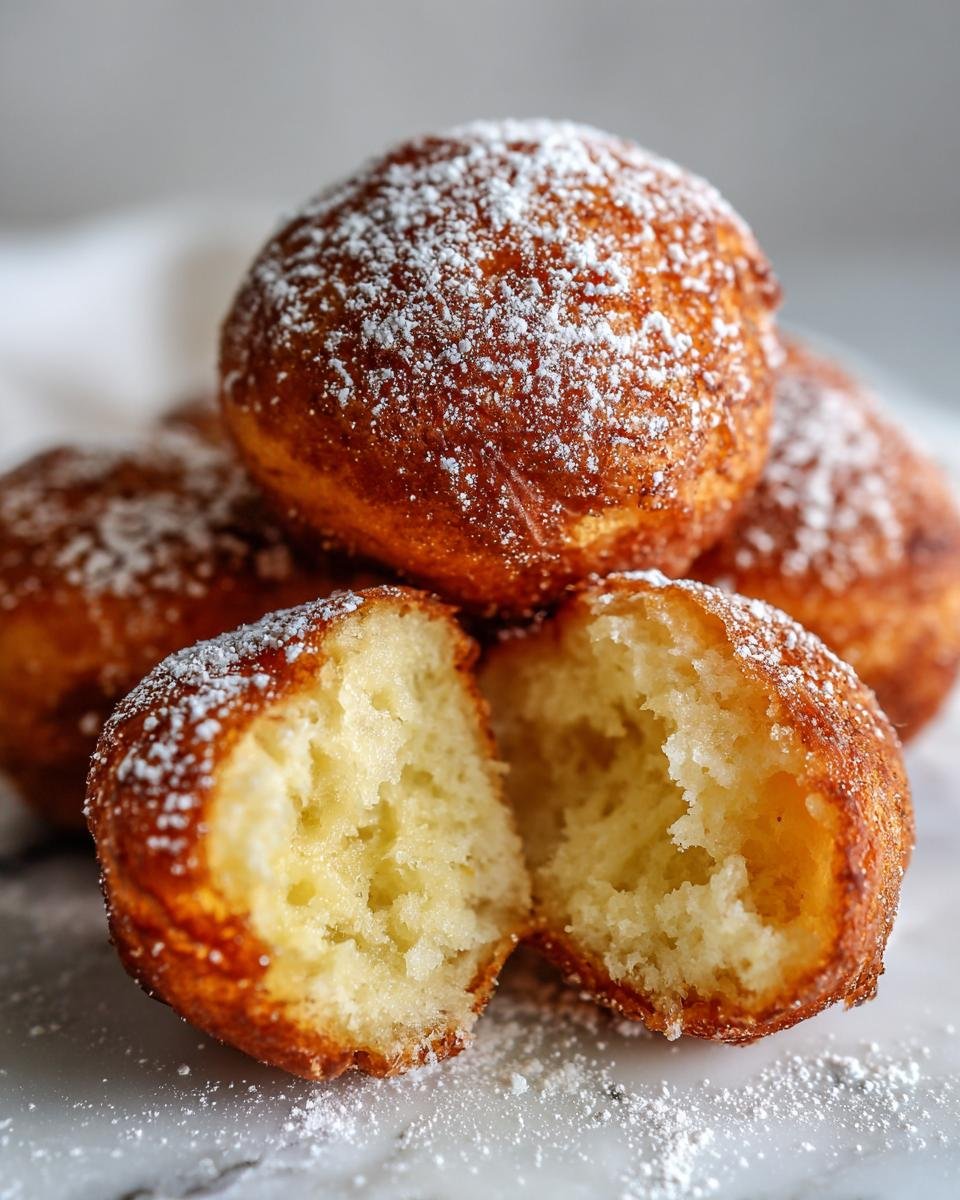
Once your beignets are fried to a golden perfection and drained on the wire rack, it’s time for the grand finale! Use a fine-mesh sieve to dust them generously with powdered sugar. This gives you that beautiful, classic look and that hint of sweetness. For a little extra *oomph*, I sometimes mix a tiny bit of vanilla bean paste into my powdered sugar before dusting. It’s a small touch, but wow, does it make a difference!
You can find out more about my privacy policy if you’re curious about how I handle your information, and my terms of service too!
Frequently Asked Questions About Vanilla French Beignets
Okay, you’ve got the recipe, you’re ready to go, but maybe a few little questions are popping into your head? Totally normal! I get asked about these Vanilla French Beignets For Breakfast quite a bit, so here are some of the most common ones:
Can I make these beignets ahead of time?
Honestly, these are best enjoyed fresh and warm right out of the fryer! The magic is in that light, airy texture that can start to fade a bit as they sit. You *can* technically make the dough a day ahead and keep it covered in the fridge, but frying and serving them soon after is really the way to go for that ultimate deliciousness.
What’s the best oil for frying beignets?
You want a neutral oil with a high smoke point, so it can get nice and hot without burning. Vegetable oil is my go-to because it’s readily available and works perfectly. Canola oil or even peanut oil would work too! Just make sure you have enough to fill your pot about 2-3 inches deep for even frying.
Why are my beignets flat instead of puffy?
Oh no! This usually happens for a couple of reasons. Most often, it’s because the yeast wasn’t properly activated (it should be foamy!), or the dough didn’t rise enough. Another reason could be that the oil wasn’t hot enough when you started frying, so they didn’t puff up immediately. Make sure your yeast is fresh and that your oil is at that perfect 350°F!
Can I bake these instead of frying them?
While you *can* bake them, they just won’t have that same signature light, airy, slightly crispy texture that frying gives them. Baked beignets tend to be more dense and cake-like. They’re still tasty, but if you’re going for that true French beignet experience for your breakfast, frying is the way to be!
Estimated Nutritional Information
Just a heads-up, these numbers are estimates, okay? They can totally change depending on the exact ingredients you use and how big you make your beignets. But generally, you’re looking at something around 250-300 calories per beignet, with a good chunk of fat (thanks, frying!) and carbs, but also a little bit of protein from the eggs and flour. It’s a treat, for sure!
Vanilla French Beignets
Ingredients
Equipment
Method
- In a small bowl, combine the warm water and yeast. Let it sit for 5-10 minutes until foamy.
- In a large bowl, whisk together the warm milk, granulated sugar, and salt.
- Add the yeast mixture, beaten eggs, and vanilla extract to the milk mixture. Stir to combine.
- Gradually add the flour, mixing until a shaggy dough forms. Turn the dough out onto a lightly floured surface.
- Knead the dough for about 8-10 minutes until it is smooth and elastic. Gradually incorporate the softened butter as you knead, until it is fully absorbed.
- Place the dough in a lightly oiled bowl, cover with plastic wrap, and let it rise in a warm place for about 30 minutes, or until doubled in size.
- Punch down the dough and roll it out on a lightly floured surface to about 1/2 inch thickness.
- Cut the dough into squares or rectangles using a knife or pizza cutter.
- Heat the vegetable oil in a deep fryer or heavy-bottomed pot to 350F (175C).
- Carefully fry the beignets in batches for 2-3 minutes per side, until golden brown. Do not overcrowd the pot.
- Remove the beignets with a slotted spoon and place them on a wire rack set over a baking sheet to drain.
- Dust generously with powdered sugar before serving warm.