
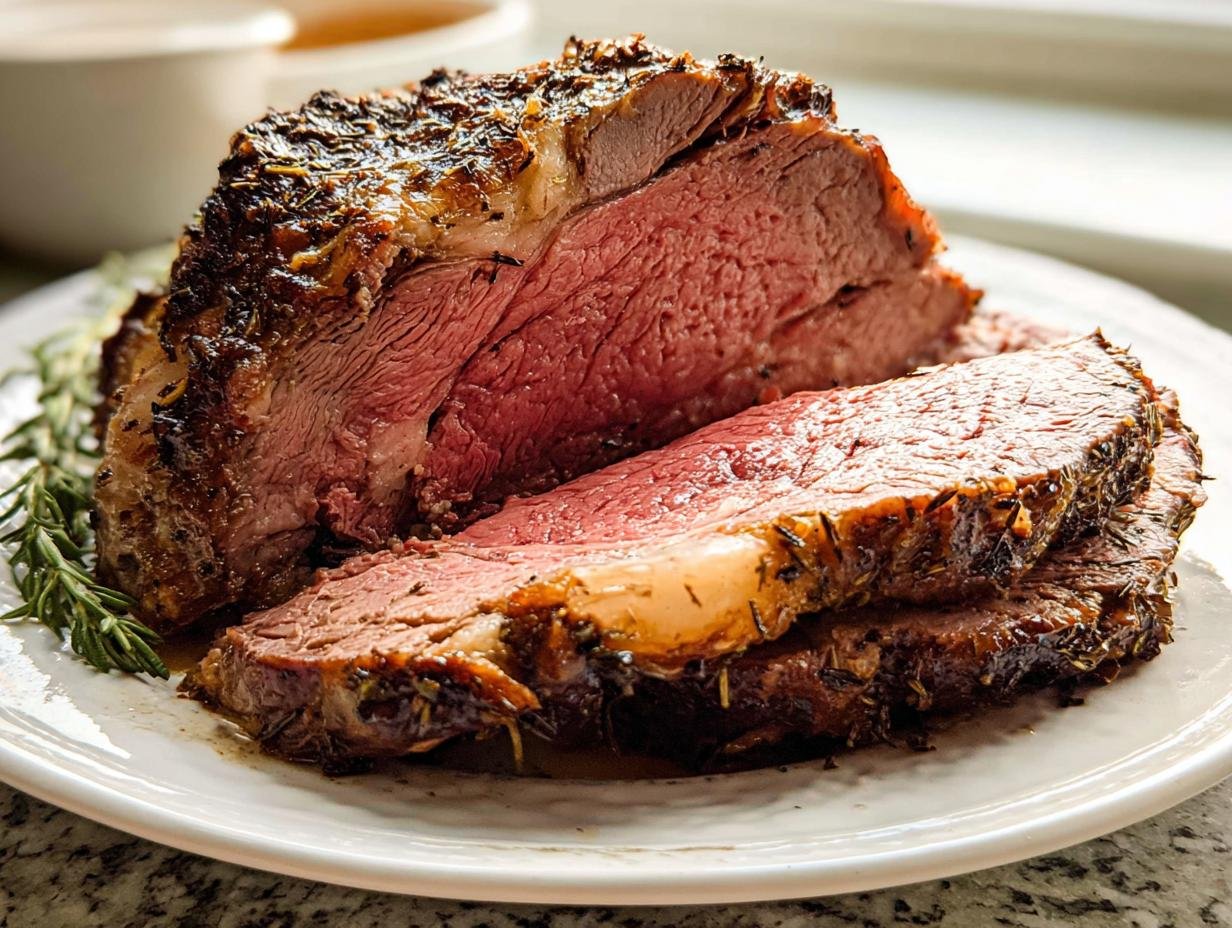
If you’ve ever looked at a massive, beautiful prime rib roast and thought, “Nope, that’s way too much stress for me,” I promise you, I was right there with you! But mastering this centerpiece of holiday dining is totally achievable once you stop guessing and start trusting the process. This guide cuts straight through the confusion with all you need to know about Prime Rib: Ingredients, Temps, and Timing to guarantee a restaurant-quality result.
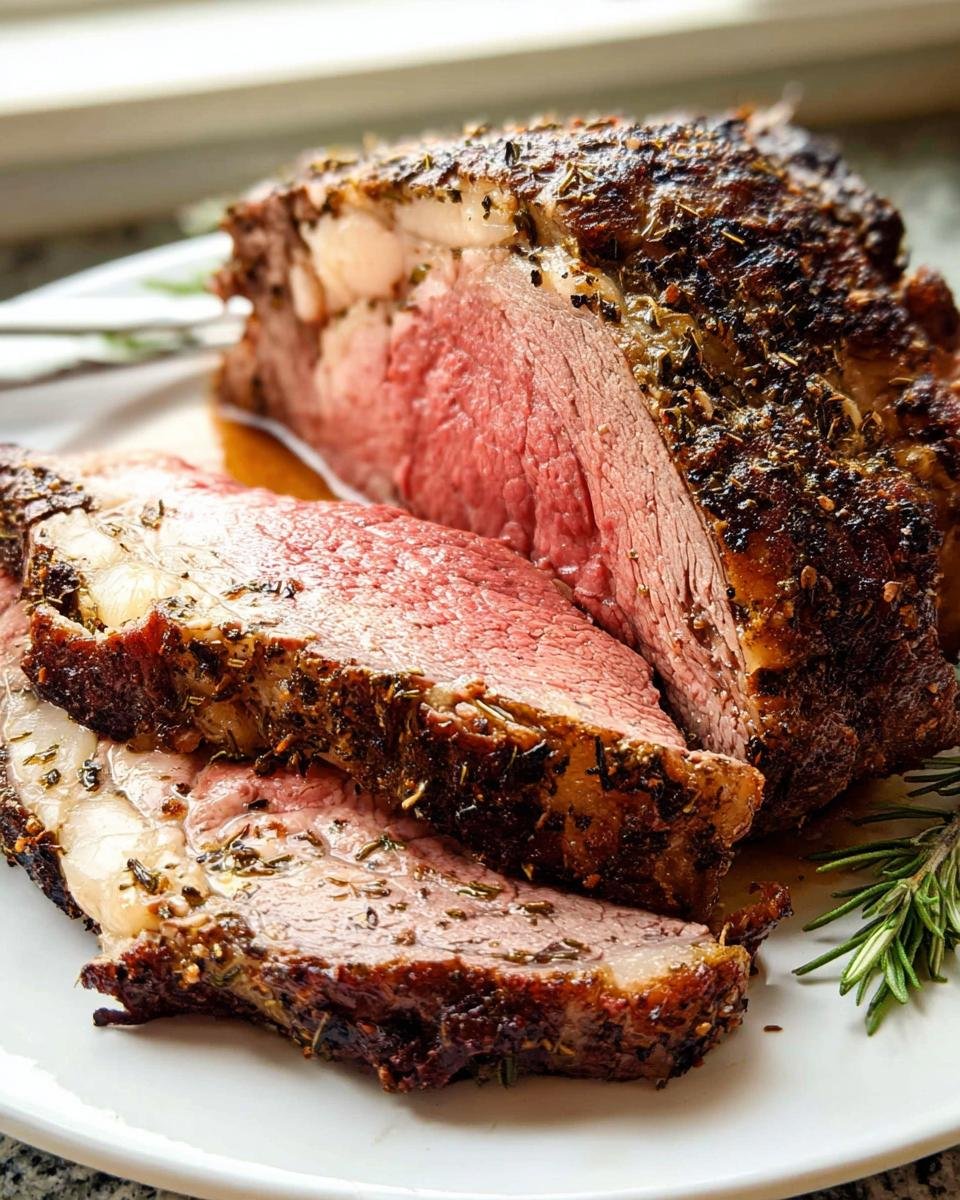
I still remember the first time I tested a prime rib recipe in our kitchen studio. The aroma alone made the whole team stop what they were doing, and I must have checked the thermometer a dozen times because I wanted it to be absolutely perfect. When we finally sliced into it—rosy, juicy, and beautifully tender—I realized how rewarding this dish can be when you understand the right ingredients, temps, and timing. Now, it’s one of my favorite recipes to help readers feel confident making at home.
We’re talking about a rich, perfectly seasoned roast that feeds about eight people thanks to this reliable method. Forget the scary cookbooks; we’re making magic happen.
Mastering Prime Rib: Ingredients, Temps, and Timing Essentials
Okay, let’s break down what makes this roast truly exceptional. It’s not just throwing a big piece of beef in the oven, trust me! Success depends on three key areas we nail down right now: the flavor base, the meat prep, and what’s sitting underneath it in the pan. This system, covering the crucial Prime Rib: Ingredients, Temps, and Timing, is what yields that glorious, juicy result we want for about eight people.
When you get these starting components right, the oven does the hard work flawlessly.
The Compound Butter Rub for Prime Rib: Ingredients, Temps, and Timing
This butter rub is where all the flavor starts! We aren’t just using salt and pepper here; we’re building a crust. You absolutely need 8 tablespoons of unsalted butter, and it *must* be room temperature—soft enough to mash easily but not melted at all. That’s the key for spreading it around evenly.
We’re mixing that soft butter with 2 teaspoons of mild chili powder, 1 teaspoon of ground cumin, 1 tablespoon each of fresh, chopped thyme and rosemary, and 3 minced cloves of garlic. Season it well with salt and pepper, too! Mix everything until it’s one gorgeous, cohesive paste. This spiced butter melts down during cooking and bastes that outer layer constantly.
Selecting and Preparing the Prime Rib Roast
For this recipe, aim for about a 5-pound prime rib roast. It’s a manageable size for most home ovens and perfect for serving eight people generously. The most important, non-negotiable step before we even think about seasoning is preparing the meat itself. Remember those two hours I mentioned earlier?
You need to take the roast out of the fridge to sit on the counter for a good two hours before you start. This helps the center warm up a bit so the edges don’t overcook while the middle is chilly. After it warms, pat the entire thing totally dry with paper towels. Dry meat equals a better crust, which is vital for fantastic Prime Rib: Ingredients, Temps, and Timing success!
Aromatics to Enhance Your Prime Rib: Ingredients, Temps, and Timing
Don’t let your roast sit directly on the metal of the pan! We use aromatics at the bottom to lift the meat slightly, keep it from scorching, and infuse that wonderful savory steam throughout the cooking process. It’s super simple stuff!
Toss two quartered onions and five peeled, whole garlic cloves right into the roasting pan. Add 4 fresh sprigs of thyme and 2 sprigs of rosemary right in there with them—no chopping required for these pieces, they just sit underneath to perfume the air. These simple additions make a huge difference in the overall flavor profile of your beef.
Step-by-Step Instructions for Perfect Prime Rib: Ingredients, Temps, and Timing
Now for the fun part—the actual cooking for this amazing Prime Rib: Ingredients, Temps, and Timing guide! Once your roast has warmed up for those crucial two hours, we get started. Remember, we’re aiming for juicy perfection here, not a beef jerky situation, so follow these temperature cues closely!
Preparing the Compound Butter and Seasoning the Roast
Grab your compound butter—the one you mixed up earlier. You need to rub that glorious, herby paste all over the entire surface of your dry prime rib. Seriously, get into every nook and cranny! We want full coverage so that every single bite has flavor infusion baked right in. Don’t be shy here; this butter layer protects the meat and helps form that beautiful crust.
Achieving Ideal Cooking Temps for Prime Rib: Ingredients, Temps, and Timing
This is where people panic, but stay calm! We use a two-temp approach. First, preheat your oven to a roaring 450°F (232°C). Cook the roast at this high heat for exactly 15 minutes to sear the outside nicely. Then, *immediately* reduce the heat down to 325°F (163°C) for the rest of the cooking time. This high-then-low method locks in moisture while ensuring a deep color.
You’ll insert your thermometer into the thickest part now. For medium-rare, you are pulling it out when the thermometer reads about 125°F. Don’t rush it toward the target—the heat continues banking after it leaves the oven, and that’s key to hitting perfect final temperatures!
Calculating the Correct Cooking Time for Prime Rib: Ingredients, Temps, and Timing
Timing hinges entirely on the low temperature phase at 325°F. Generally, you’re looking at about 13 to 15 minutes per pound for medium-rare. Since we’re using a 5-pound roast in this recipe, that means roughly 65 to 75 minutes at that lower heat setting. That’s why having a reliable meat thermometer is your absolute best friend; eyeballing it just doesn’t work for a showstopper like this!
The Crucial Resting Period and Gravy Preparation
When it comes out, tent that beauty loosely with foil and WALK AWAY for a solid 30 minutes! That 30-minute resting time? Non-negotiable. It lets those juices redistribute instead of pouring all over your cutting board later. While it rests, you whip up the gravy.
Put the roasting pan over medium heat (if your pan is stovetop-safe, otherwise use a separate saucepan). Scrape up all those glorious browned bits—that’s flavor gold! Whisk in 1 cup of red wine and 1 cup of low-sodium beef broth. Thicken it up by whisking in a slurry made of 1 tablespoon cornstarch mixed with 2 tablespoons of water. Once it’s thick enough—serve it hot alongside your perfectly carved roast, perhaps over a luscious dish of creamed spinach!
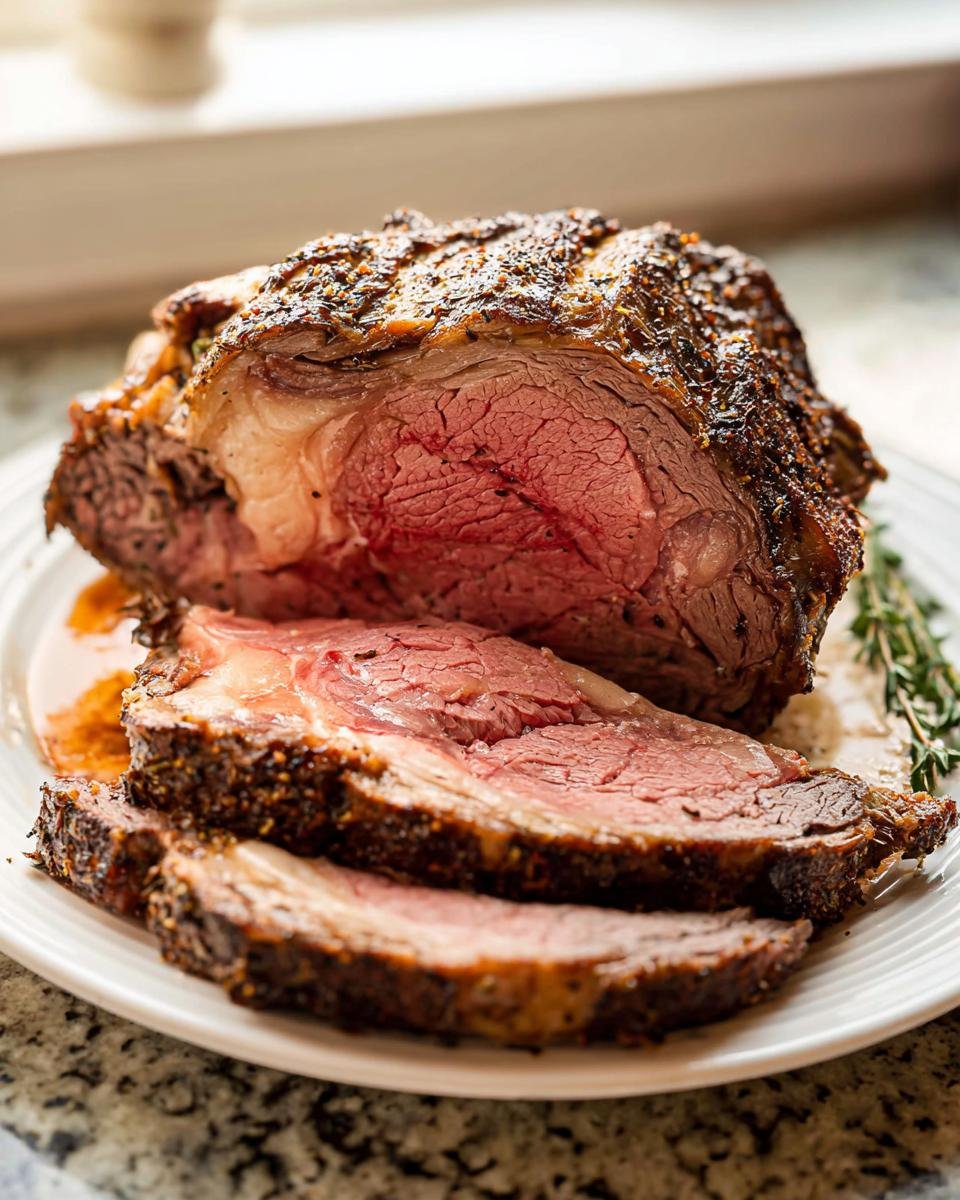
Why This Prime Rib: Ingredients, Temps, and Timing Works for Any Party
Honestly, this approach to Prime Rib: Ingredients, Temps, and Timing takes away all the anxiety that usually comes with a big roast. You don’t have to second-guess yourself or worry you’ve ruined the main event! This method is superior because it’s methodical and built on science, making you look like a culinary genius.
- The compound butter gives us an unbeatable herby crust and keeps the meat protected.
- The two-stage temperature cooking ensures a beautiful sear followed by gentle, even cooking inside.
- Reliable time estimates, when paired with a thermometer, mean you hit that medium-rare sweet spot almost every time!
Plus, you can make the butter ahead of time, which really helps when planning for your big spread! Speaking of which, these rolls are fantastic with the roast:
Serving Suggestions for Your Holiday Prime Rib
A roast this magnificent deserves side dishes that can stand up to its richness, but we also need options for guests who might want something lighter before the main event. When you nail the Prime Rib: Ingredients, Temps, and Timing, it becomes the unquestionable star, and the rest of the menu just supports its glory.
I always plan for abundance, especially if we’re celebrating something big, like New Year’s Eve—we can’t just serve roast beef!
Pairing Prime Rib with Crowd-Pleaser Snacks
If you’re hosting a formal dinner, the roast is the focus, but having easy options out earlier is a lifesaver. People always graze! Set up a fantastic spread of our other favorite holiday hits. You’ll want some crunchy, fresh elements to contrast that heavy beef.
Think about setting out a gorgeous fluffy herb bread or maybe some crispy maple-glazed carrots to keep people happy during those final moments waiting for the carving!
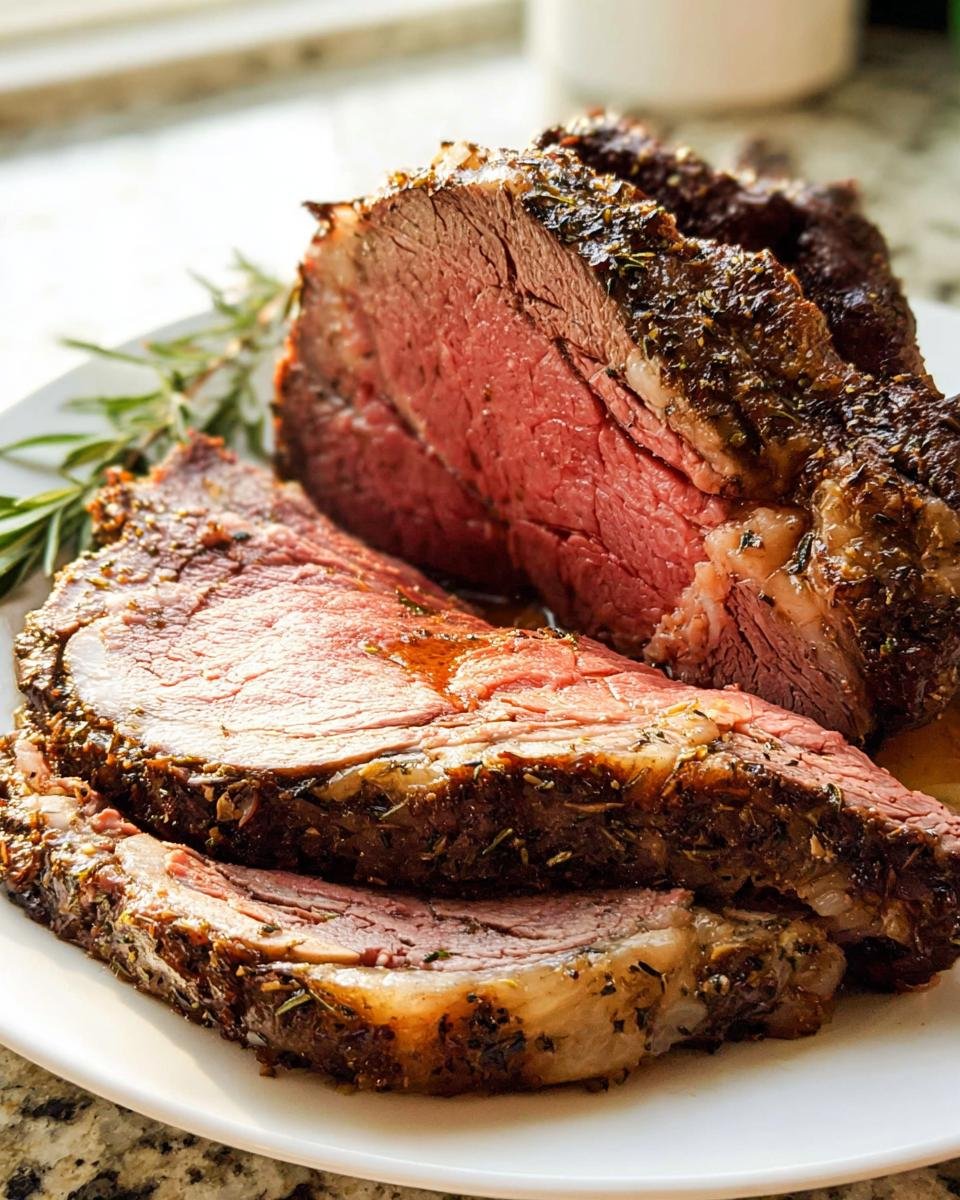
If you’re going for more of a relaxed atmosphere—maybe for a big countdown buffet—you can easily transition into our favorite sliders & skewers later on. Nothing ruins a great party spread faster than only having heavy meats, so make sure you have a good mix of easy party food available!
Troubleshooting Common Prime Rib: Ingredients, Temps, and Timing Issues
I know the fear—the thought of spending all that time and money only to end up with a dry centerpiece. Don’t stress! Most issues with Prime Rib: Ingredients, Temps, and Timing come down to just one or two things that are easy to fix next time.
If your roast ended up too dry, you almost certainly pulled it too late! Remember, you want to take it out 5 to 10 degrees below your target. That internal carry-over cooking is powerful. Trust the thermometer and pull it early rather than late.
If the outside crust didn’t form right, it usually means the meat wasn’t patted dry enough before applying the compound butter, or maybe your oven wasn’t hot enough during that initial 15-minute blast. Keep that high heat focused at the start!
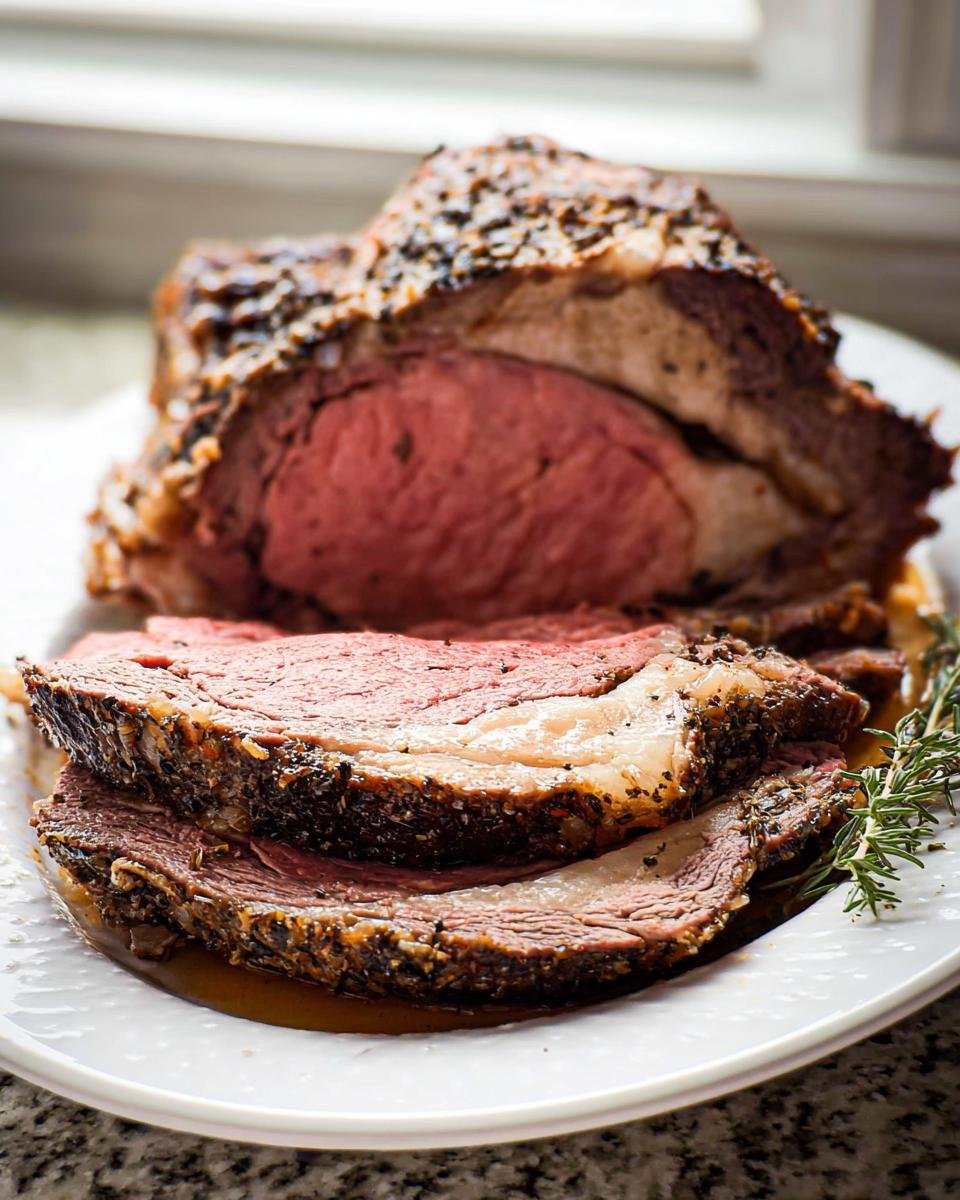
Also, never skip that 30-minute rest. If you cut into it right away, all that delicious juice just floods out onto the board instead of staying locked inside the meat where it belongs.
Storage and Reheating Instructions for Leftover Prime Rib
Okay, deep breaths! If, by some small miracle, you have any prime rib left—because this stuff vanishes fast—you need to treat those leftovers right. Throwing them in a bag and reheating them incorrectly is a crime against perfectly cooked beef, and we are not having that!
The key to keeping your leftovers juicy is moisture, moisture, moisture. Store the sliced meat tightly wrapped in plastic wrap, and then maybe toss it into an airtight container. It keeps great in the fridge for three or four days. But here’s the real trick for the reheating part, which is where people usually go wrong.
Never just microwave thin slices straight up—they turn into sad, tough little bricks. You have two fantastic options to bring that flavor back to life.
First, my favorite: the slow cooker method. Put a small amount of liquid in the bottom of your slow cooker—I use the leftover gravy or even just some beef broth. Lay those slices in gently. You don’t want them swimming, just sitting in a little bit of moisture. Heat on low for about an hour. That gentle, humid heat warms the meat without shocking the muscle fibers.
Your second-best option is slicing it thinly and making something new! Leftover prime rib is absolutely perfect for turning into amazing hot roast beef sandwiches, maybe served open-faced with a drizzle of that gravy or au jus. When you reheat it *inside* the sandwich setup, the bread and sauce help insulate the beef and keep it tender. Trust me on this—you treat leftovers like a whole new meal, not just sad scraps of the old one!
Frequently Asked Questions About Prime Rib: Ingredients, Temps, and Timing
When you’re tackling a big roast, questions pop up like crazy! It’s way better to check these details now than right when your oven timer is about to go off. Mastering our Prime Rib: Ingredients, Temps, and Timing guide means knowing the little details for those make-or-break moments.
What is the best internal temperature for medium-rare prime rib?
For that perfect medium-rare center, you want to pull the roast out of the oven when your thermometer reads between 125°F and 130°F. Remember, the temperature will climb another 5 to 10 degrees while it’s resting under that foil tent! If you wait until it hits 135°F inside the oven, you’re going to end up with roast beef edging into medium territory, and we want pink perfection here!
Can I prepare the compound butter ahead of time for my Prime Rib?
Yes, absolutely! This is one of my favorite things to do when planning for big celebrations. You can mix up that compound butter days ahead of time. Just mix it all together until it’s one beautifully scented paste, press it into a small container or roll it into a log shape inside some plastic wrap, and pop it in the fridge. When party planning, anything you can handle as part of your Make-Ahead Party Recipes is a total win! Just make sure you take it out about 45 minutes before you plan to rub it on the roast so it softens up again.
What side dishes work well with this roast besides gravy?
Gravy is mandatory, but you need balance! Since the prime rib is so rich, I always lean toward something vibrant, starchy, or green. If you’re serving this as part of a larger spread of Easy Party Food, you can’t go wrong with a big bowl of fluffy mashed potatoes to soak up any extra juices, or perhaps some crispy roasted asparagus. That little bit of green helps break up the richness of the beef beautifully. Keep the sides simple so the main event shines!
Estimated Nutritional Data for Prime Rib: Ingredients, Temps, and Timing
Alright, let’s talk numbers just for a second, though I usually try not to fuss too much when it comes to incredible food like this roast! Calculating exact nutrition for prime rib is tricky because the fat content can vary wildly depending on which specific cut you bought and how much of that lovely marbled fat you ended up trimming off.
But, based on serving 8 people from this recipe—assuming a decent amount of fat dripped away during the cooking process—here are some general estimates for a serving of carved meat and a little bit of that delicious gravy. Keep in mind, we’re not accounting for the butter rub dripping off, which adds fat, or any sides you might serve!
We all know this isn’t exactly light fare, but when you master Prime Rib: Ingredients, Temps, and Timing, you earn every single calorie!
Here’s a ballpark look at what one serving (of the meat plus some gravy) might contain:
- Calories: Roughly 550 – 600 calories. (That’s a hearty meal!)
- Protein: Over 40 grams—it’s a powerhouse!
- Fat: This is where it varies most, probably around 35 to 45 grams, depending on the trimming.
- Carbohydrates: Very low, maybe 3 to 5 grams, mostly just from the very small amount of starch in the gravy.
If you’re trying to keep it leaner, the best thing you can do is use an excellent thermometer (**Ingredients, Temps, and Timing**!) to make sure you cook it perfectly and only take the leanest slices possible. Leave the fatty end for those who love it—that’s what makes a holiday roast special, right?
Share Your Perfect Prime Rib Success
Wow, you made it through the whole guide! Now comes the absolute best part: slicing into that beautiful roast and seeing that perfect rosy center. I truly hope nailing the **Ingredients, Temps, and Timing** made this feel easy and fun for you. This recipe is such a personal favorite, and my biggest joy is knowing someone else nailed their big dinner thanks to these steps!
I really want to hear how it turned out, especially if this was your first time trying a big prime rib roast. Did the compound butter crust crisp up exactly how you wanted? Were you right on target with your resting time?
Please, please leave me a rating below—five stars if you can! And don’t just leave a number; drop a comment telling me what temperature you pulled it at and what your final internal temp was after resting. Little details like that help everyone else feel more confident about tackling this magnificent roast next time.
If you want to learn more about who I am and the chefs who test these recipes for perfect results every time, you can peek at my culinary background right here. Happy cooking, and thank you for trusting this recipe for your special occasion!
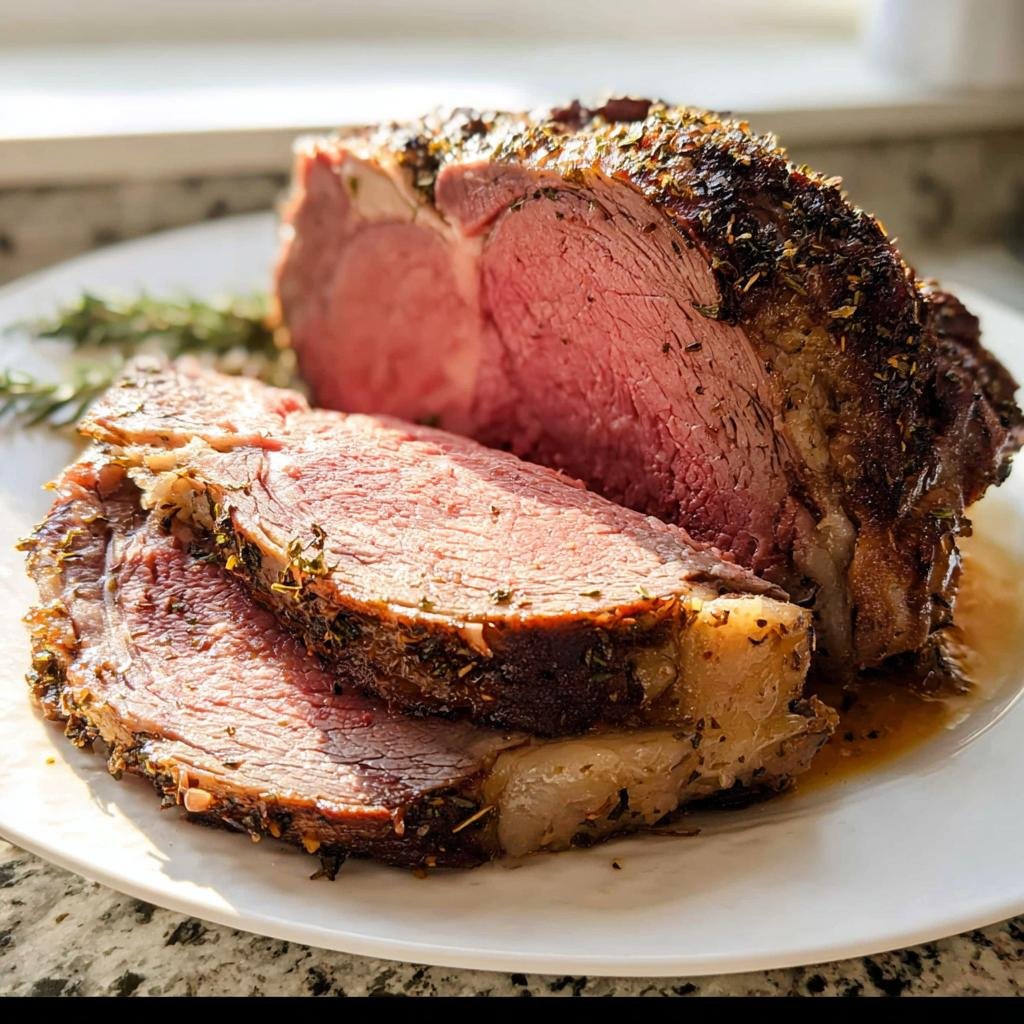
Prime Rib Roast
Ingredients
Equipment
Method
- Prepare the compound butter. Mix the softened butter with chili powder, cumin, fresh thyme, fresh rosemary, minced garlic, salt, and pepper in a bowl until fully combined.
- Pat the prime rib dry with paper towels. Rub the compound butter evenly over the entire surface of the prime rib.
- Place the quartered onions, peeled garlic cloves, and sprigs of thyme and rosemary in the bottom of your roasting pan.
- Place the seasoned prime rib on top of the aromatics in the roasting pan.
- Preheat your oven according to your desired doneness. For medium-rare, a common starting temperature is 450°F (232°C) for 15 minutes, then reduce the heat to 325°F (163°C) for the remainder of the cooking time.
- Calculate the remaining cooking time based on the weight of the roast for your target internal temperature (e.g., approximately 13-15 minutes per pound at 325°F for medium-rare).
- Insert a meat thermometer into the thickest part of the roast, avoiding bone. Remove the roast from the oven when it reaches 5 to 10 degrees below your target final temperature.
- Transfer the roast to a cutting board, tent loosely with foil, and let it rest for at least 30 minutes before carving.
- To make the gravy, place the roasting pan over medium heat on the stovetop (if safe for your pan). Scrape up the browned bits from the bottom of the pan.
- Whisk in the red wine and beef broth. Bring to a simmer.
- Mix the cornstarch and water in a small bowl to create a slurry. Whisk the slurry into the simmering liquid until the gravy thickens.
- Strain the gravy if desired, and serve hot with the carved prime rib.