
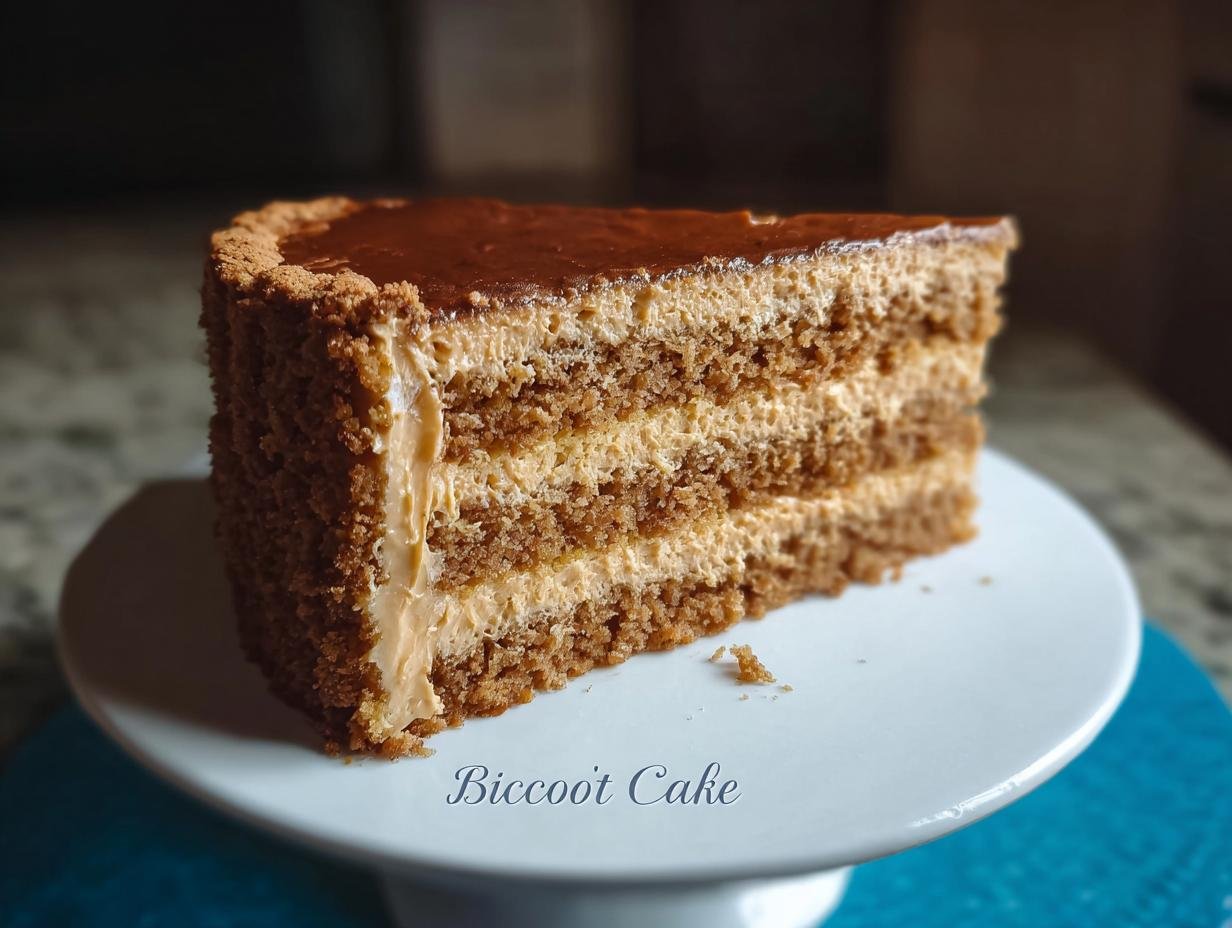
Oh, my gosh, if you love that deep, caramelized, sweet spice flavor of Biscoff cookies, you are going to absolutely lose it over this cake. I’ve tried every shortcut out there, but honestly, making it truly from scratch is where the magic happens. This **Biscoff Cake: Delicious, Homemade Cake Recipe** is hands-down the moistest, richest cake I’ve ever pulled out of the oven. It tastes exactly like that crunchy speculoos cookie, but unbelievably tender. Seriously, this is my go-to when I need a dessert that gets gasps at the table. I just adore how that subtle spice hits right after the sweetness!
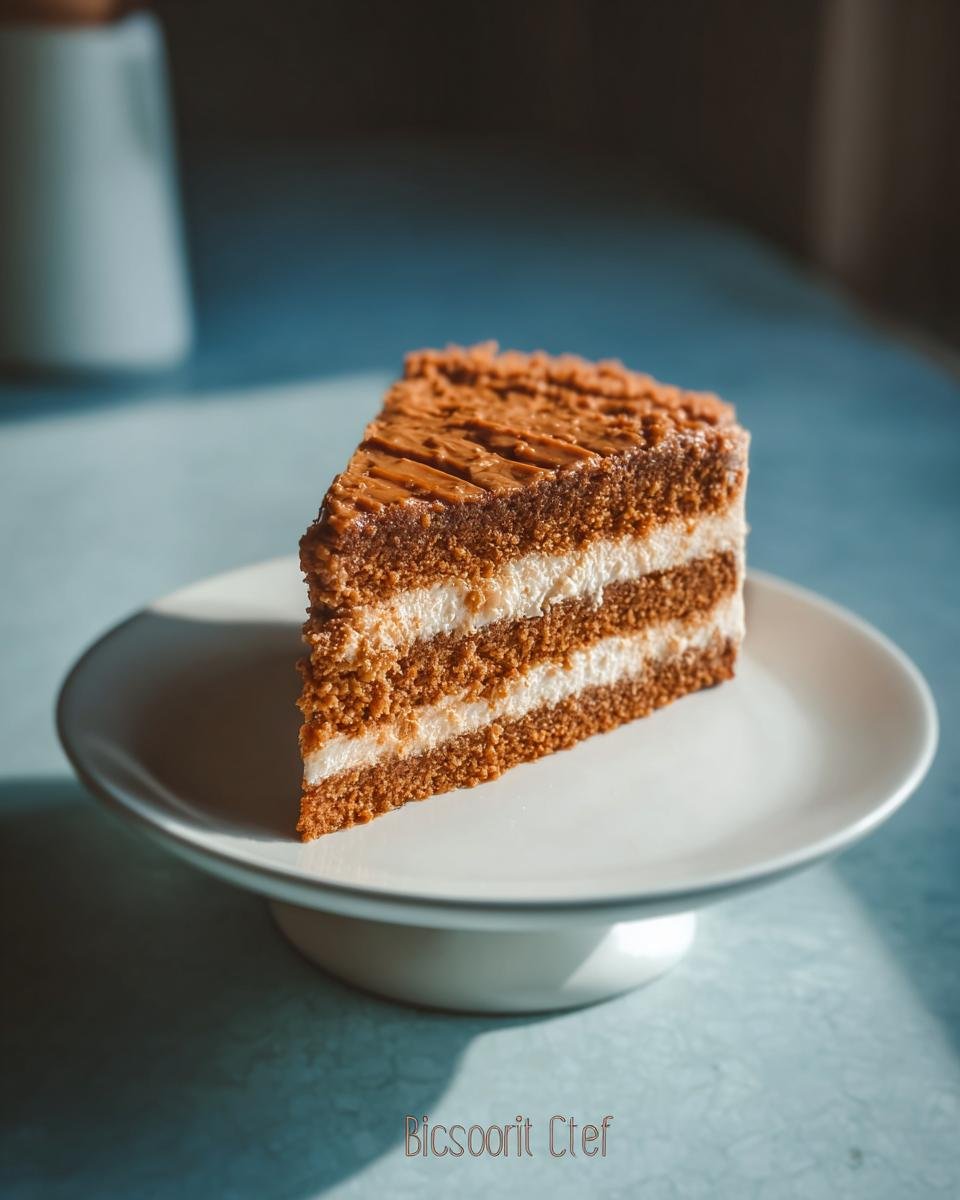
Why This Biscoff Cake: Delicious, Homemade Cake Recipe Stands Out
I know there are boxed mixes out there, but you just can’t get this level of flavor depth unless you bake it yourself. When you combine the actual cookie spread right into the batter—not just the frosting—the whole cake gets this incredible, soft, caramelized interior. It’s something you have to taste to believe!
We’ve had a lot of fun testing out different cake recipes, and this one always rises above the rest. To see some of my other recipe adventures, check out my thoughts on baking trends for cakes!
Key Benefits of Our Homemade Cake Recipe
- The texture stays super moist for days, thanks to the combination of butter and cookie butter in the batter.
- You get that signature, almost spiced caramel flavor woven throughout the entire crumb, not just on top.
- We keep the layering totally simple—no fiddly syrups or soak components needed to keep it moist!
- It uses standard pantry items mixed with that special Biscoff addition, making it easy to whip up when a craving hits.
Essential Equipment for Your Biscoff Cake
You don’t need a million fancy gadgets for this showstopper, but a few things are vital to getting that perfect texture. I always pull out my trusty electric mixer because creaming the sugars properly is huge for this recipe!
You’ll need two 8-inch round cake pans, and of course, your mixing bowls. My biggest piece of advice? Don’t skimp on prepping those pans! You absolutely must grease, flour, AND line the bottoms with parchment paper. Trust me, these cakes are tender, and a little extra insurance means your beautiful layers pop out perfectly intact.
Gathering Ingredients for the Biscoff Cake: Delicious, Homemade Cake Recipe
Getting the ingredients ready is half the battle, and frankly, this is where we lock in that amazing texture. The absolute most important thing you can do for this homemade cake recipe is to make sure your butter, eggs, and buttermilk are sitting out on the counter ahead of time. Room temperature ingredients mix together so much better, trapping air and giving you that light structure despite all that decadent flavor!
Ingredients For the Cake Layers
For the cake itself, you’ll need:’)
- 1 3/4 cups All-purpose flour
- 1 1/2 tsp Baking powder
- 1/2 tsp Baking soda
- 1/2 tsp Salt
- 1 cup Unsalted butter, softened
- 1 cup Granulated sugar
- 1/2 cup Light brown sugar, packed
- 3 large Eggs, room temperature
- 1 tsp Vanilla extract
- 1/2 cup Buttermilk, room temperature
- 1/2 cup Biscoff spread (cookie butter), melted slightly
Ingredients For the Biscoff Frosting
The frosting is super rich, so use properly softened butter here for the best results:
- 1 cup Unsalted butter, softened
- 3 1/2 cups Powdered sugar, sifted
- 1/2 cup Biscoff spread (cookie butter), room temperature
- 1/4 tsp Salt
- 2 tbsp Milk or heavy cream (as needed for consistency)
- 1/2 cup Biscoff cookies, crushed (for garnish)
Step-by-Step Instructions for the Biscoff Cake
Okay, now for the fun part! This whole process is straightforward, but you need to follow the order because the texture of this Biscoff Cake: Delicious, Homemade Cake Recipe really depends on how you mix things. If you want to get ahead, check out this link for some quick and easy recipe ideas while the oven preheats!
Preparing the Cake Batter for Your Homemade Cake Recipe
First things first, get that oven humming! You need to preheat to 350\u00b0F (175\u00b0C). Then, make sure you grease and flour your two 8-inch round pans really well, and cut out and line those bottoms with parchment paper—that’s non-negotiable for easy removal later.
In one bowl, whisk together your dry stuff: the flour, baking powder, baking soda, and salt. Set that aside.
Now for the main event: In your big bowl, cream that softened butter with both the granulated and brown sugars until it looks really light and fluffy, which usually takes about 3 minutes with the mixer. Beat in your room temperature eggs one at a time, making sure each one is fully incorporated before adding the next splash of vanilla. Here’s the key technique: you alternate adding the dry mixture and the room temperature buttermilk. Always start and finish with the dry ingredients. Mix until it’s *just* combined!
The very last thing you fold in gently is that slightly melted Biscoff spread. Don’t panic if you see a few streaks of it; it just means you haven’t overmixed, which is exactly what we want!
Baking and Cooling the Biscoff Cake Layers
Evenly divide that gorgeous batter between your prepared pans. Pop them into the oven and bake for 30 to 35 minutes. You know they are done when a toothpick comes out totally clean from the center.
Resist the temptation to touch them right away! Let the layers cool right there in the pans for 10 minutes. After that little rest, gently invert them onto your wire rack. This part takes dedication: you must let the cakes cool completely, which generally takes about 60 minutes of cooling time before you even think about frosting them.
Making the Smooth Biscoff Frosting
While those cakes are chilling out, whip up the frosting. Beat your softened butter on its own until it’s smooth. Now, gradually add that sifted powdered sugar slowly, on a low speed, until it starts to look like stiff sand. Crank the mixer up high and then beat in your room temperature Biscoff spread and the salt.
If it looks too stiff—and it probably will—add the milk or heavy cream just one tablespoon at a time until you reach that perfect, smooth, spreadable consistency. It should almost look creamy!
Assembling Your Delicious Biscoff Cake
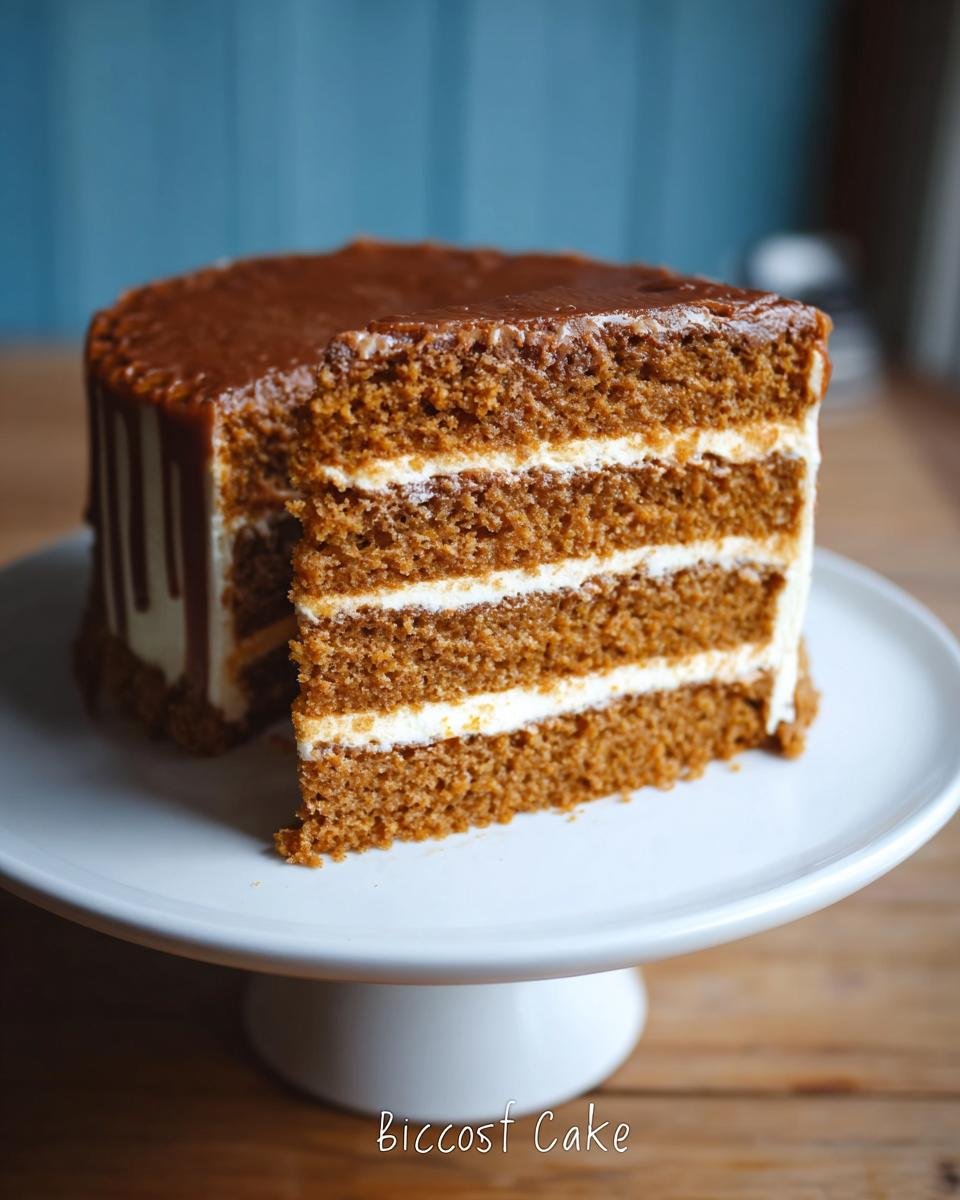
Once your layers are totally cool, place one down on your serving plate. Slather a good, generous layer of that Biscoff frosting right on top. Carefully place the second layer on top of that.
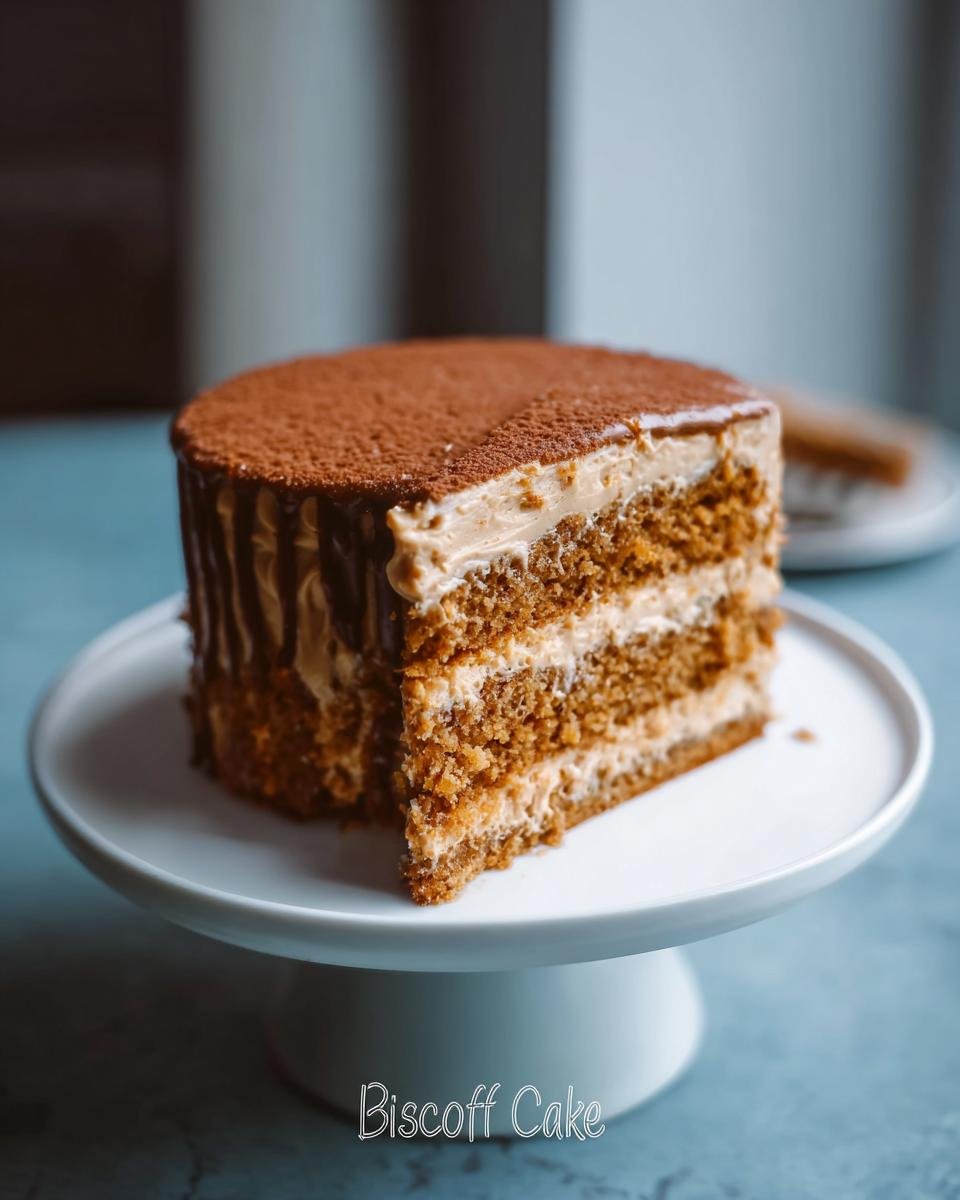
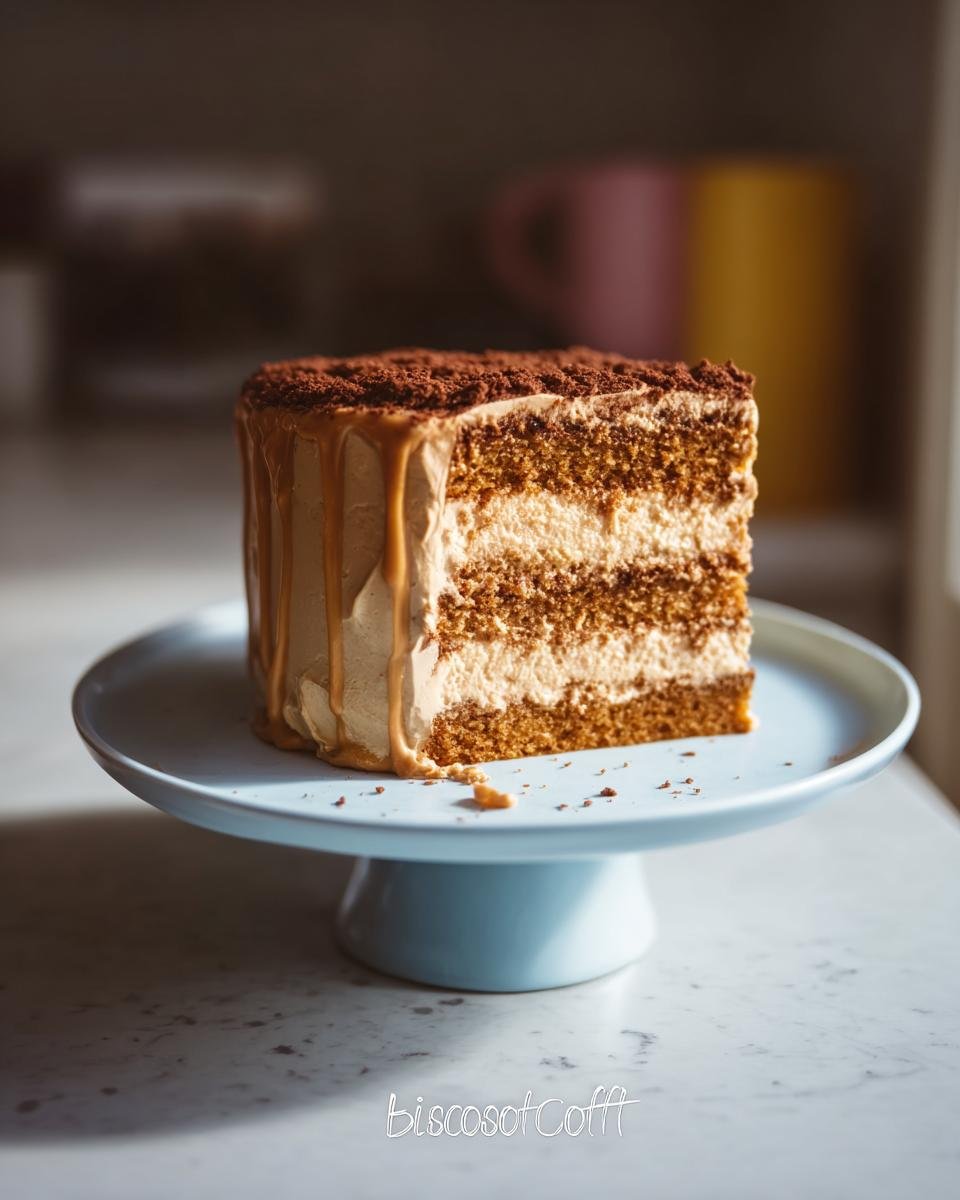
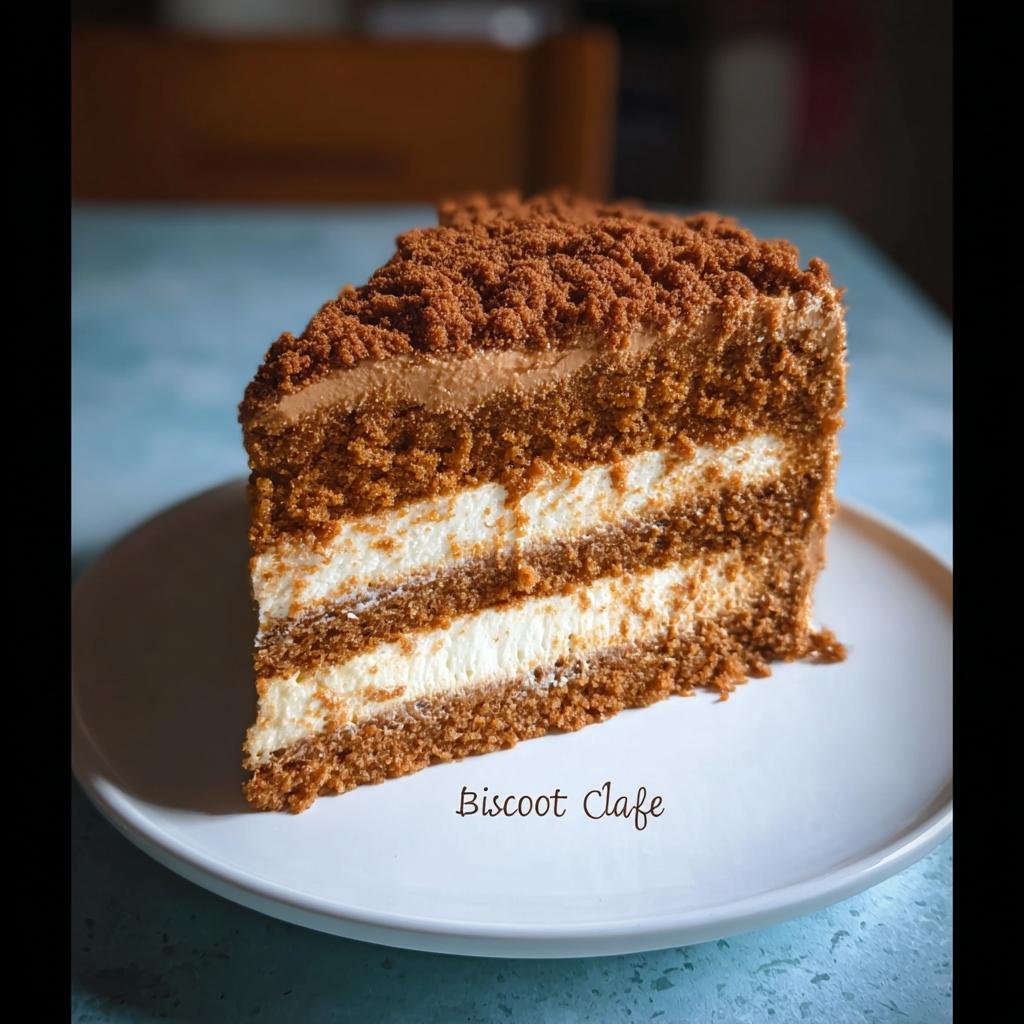
Now you get to crumb coat and frost the outside—top and sides! Use an offset spatula to make it look as nice as you want. Remember all those crushed Biscoff cookies we saved? Sprinkle those right over the top edge to finish the professional look. Wow, doesn’t that look amazing?
Tips for the Best Homemade Biscoff Cake Results
I want you to have the best success with your homemade cake, so I’m tossing in a few extra pointers from my kitchen experiments. The most crucial thing, like I mentioned, is the temperature of your ingredients—room temperature butter, eggs, and buttermilk are key to trapping air and keeping the crumb tender.
Also, if your Biscoff spread feels stiff when you go to put it in the frosting, just zap it in the microwave for about 10 seconds to soften it up before you mix it in. It makes blending so much easier!
One final tip to keep your layers level: if you notice one slightly domes more than the other, use a long serrated knife to carefully slice off the dome once it’s cool. This ensures your layers stack perfectly straight. For more inspiration on making smarter choices in the kitchen, take a peek at my calorie-smart recipe section!
Storage and Keeping Your Biscoff Cake Fresh
This cake is so moist it holds up beautifully, but because of all that butter in the frosting, I recommend keeping your finished layers covered tightly on the counter for about two days max. After that, it’s safer to move it into the fridge, although sometimes the fridge can firm up simple frosting a little too much.
If you slice off a piece of this **Biscoff Cake: Delicious, Homemade Cake Recipe** later, let it sit on the counter for 30 minutes before serving to bring that frosting back to life. It tastes best when it’s slightly soft!
Serving Suggestions for Your Biscoff Cake: Delicious, Homemade Cake Recipe
This cake is such a powerhouse of flavor on its own, honestly. It barely needs anything extra, but it absolutely sings next to a strong black coffee or a warm latte. If you’re feeling fancy, a small scoop of vanilla bean ice cream melts perfectly alongside a warm slice.
If you like thinking about great pairings, you might enjoy exploring some of my sweet-but-smart pairings for dessert!
Frequently Asked Questions About This Biscoff Cake Recipe
Can I use crunchy Biscoff spread in the cake batter?
You definitely can! Using the crunchy spread instead of the smooth one will just add little pockets of cookie texture right into the cake layers themselves, kind of like adding nuts. Just make sure your crunchy spread isn’t too cold so it mixes in easily with the warm butter mixture.
What is the best substitute for buttermilk in this homemade cake recipe?
If you run out of buttermilk, don’t panic! You can create a substitute right in your kitchen. Just take your regular milk (or, even better, half-and-half if you have it) and add one tablespoon of white vinegar or lemon juice for every half cup needed. Stir it gently and let it sit for five minutes until it looks slightly curdled. That’s ready to go!
Do I have to use both granulated and brown sugar?
Yes, I really recommend using both! The granulated sugar helps with aeration when you cream it with the butter, giving the cake structure. The brown sugar is what brings that deep, moist, molasses-y caramel note that makes this cake taste authentically like Biscoff. Baking is chemistry, and these two sugars work as a perfect team here!
How big should the crushed Biscoff cookies be for the garnish?
For the garnish, you want them fairly fine, but not dust! They should resemble coarse sand or fine gravel. You can pulse them a few times in a food processor or put them in a zip-top bag and smash them with a rolling pin. They need to stick nicely to the frosting without falling off too easily.
Nutritional Estimates for This Delicious Cake
Here are the rough nutritional estimates for one serving sliced from this recipe. Remember, because we are adding rich cookie butter and butter, this is definitely a treat, so enjoy responsibly!
- Calories: 450
- Fat: 20g
- Carbohydrates: 65g
- Protein: 5g
Please keep in mind these numbers are just estimates! They can change wildly depending on the exact brand of Biscoff you use or how much of the frosting you pile on. Always calculate your specific ingredients if you are tracking macros closely.
Tips for the Best Homemade Biscoff Cake Results
I want you to have the best success with your homemade cake, so I’m tossing in a few extra pointers from my kitchen experiments. The most crucial thing, like I mentioned, is the temperature of your ingredients—room temperature butter, eggs, and buttermilk are key to trapping air and giving you that tender crumb!
Also, if your Biscoff spread feels stiff when you go to put it in the frosting, just zap it in the microwave for about 10 seconds to soften it up before you mix it in. It makes blending so much easier!
One final tip to keep your layers level: if you notice one slightly domes more than the other, use a long serrated knife to carefully slice off the dome once it’s cool. This ensures your layers stack perfectly straight. For more inspiration on making smarter choices in the kitchen, take a peek at my calorie-smart recipe section!
Storage and Keeping Your Biscoff Cake Fresh
This cake is so moist it holds up beautifully, but because of all that butter in the frosting, I recommend keeping your finished layers covered tightly on the counter for about two days max. After that, it’s safer to move it into the fridge, although sometimes the fridge can firm up simple frosting a little too much.
If you slice off a piece of this **Biscoff Cake: Delicious, Homemade Cake Recipe** later, let it sit on the counter for 30 minutes before serving to bring that frosting back to life. It tastes best when it’s slightly soft!
Serving Suggestions for Your Biscoff Cake: Delicious, Homemade Cake Recipe
This cake is such a powerhouse of flavor on its own, honestly. It barely needs anything extra, but it absolutely sings next to a strong black coffee or a warm latte. If you’re feeling fancy, a small scoop of vanilla bean ice cream melts perfectly alongside a warm slice.
If you like thinking about great pairings, you might enjoy exploring some of my sweet-but-smart pairings for dessert!
Frequently Asked Questions About This Biscoff Cake Recipe
I always get asked the same few things when people try making this luscious dessert for the first time! It’s a pretty sturdy recipe, but a few little tweaks can make it perfect for your situation. If you’re looking for other beloved baking classics, you might want to check out my thoughts on classic chocolate chip cookies!
Can I use crunchy Biscoff spread in the cake batter?
You definitely can! Using the crunchy spread instead of the smooth one will just add little pockets of cookie texture right into the cake layers themselves, kind of like adding nuts. Just make sure your crunchy spread isn’t too cold so it mixes in easily with the warm butter mixture.
What is the best substitute for buttermilk in this homemade cake recipe?
If you run out of buttermilk, don’t panic! You can create a substitute right in your kitchen. Just take your regular milk (or, even better, half-and-half if you have it) and add one tablespoon of white vinegar or lemon juice for every half cup needed. Stir it gently and let it sit for five minutes until it looks slightly curdled. That’s ready to go!
Do I have to use both granulated and brown sugar?
Oh, yes, please use both! The granulated sugar helps with whipping air into the butter for lift, but the brown sugar is what brings that deep, moist, molasses-y caramel note that makes this cake taste authentically like Biscoff. They really work as a perfect team!
Can I make this Biscoff Cake as a single, thick layer?
You absolutely can, but you must adjust your baking time drastically! If you pour all the batter into one greased 9-inch round or square pan, you’ll need to drop that oven temperature down to about 325\u00b0F and bake it for closer to 50 or 60 minutes. You need longer, slower heat to cook the center thoroughly without burning the edges.
Nutritional Estimates for This Delicious Cake
Here are the rough nutritional estimates for one serving sliced from this recipe. Remember, because we are adding rich cookie butter and butter, this is definitely a treat, so enjoy responsibly!
- Calories: 450
- Fat: 20g
- Carbohydrates: 65g
- Protein: 5g
Please keep in mind these numbers are just estimates! They can change wildly depending on the exact brand of Biscoff you use or how much of the frosting you pile on. Always calculate your specific ingredients if you are tracking macros closely.
Biscoff Cake
Ingredients
Equipment
Method
- Preheat your oven to 350°F (175°C). Grease and flour two 8-inch round cake pans. Line the bottoms with parchment paper.
- In a medium bowl, whisk together the flour, baking powder, baking soda, and salt. Set this aside.
- In a large bowl, use an electric mixer to cream together the softened butter, granulated sugar, and brown sugar until light and fluffy, about 3 minutes.
- Beat in the eggs one at a time, mixing well after each addition. Mix in the vanilla extract.
- Alternate adding the dry ingredients mixture and the buttermilk to the wet ingredients, beginning and ending with the dry ingredients. Mix until just combined after each addition. Do not overmix.
- Gently fold in the slightly melted Biscoff spread until it is mostly incorporated. Some streaks are fine.
- Divide the batter evenly between the prepared cake pans. Bake for 30 to 35 minutes, or until a toothpick inserted into the center comes out clean.
- Let the cakes cool in the pans for 10 minutes before inverting them onto a wire rack to cool completely. This cooling time takes about 60 minutes.
- To make the frosting, beat the softened butter in a large bowl until smooth. Gradually add the sifted powdered sugar, mixing on low speed until combined, then increase speed to medium-high.
- Beat in the room temperature Biscoff spread and salt. Add milk or cream one tablespoon at a time until you reach a smooth, spreadable consistency.
- Once the cakes are completely cool, place one layer on a serving plate. Spread a layer of frosting on top. Place the second layer on top and frost the top and sides of the entire cake. Garnish with crushed Biscoff cookies.